

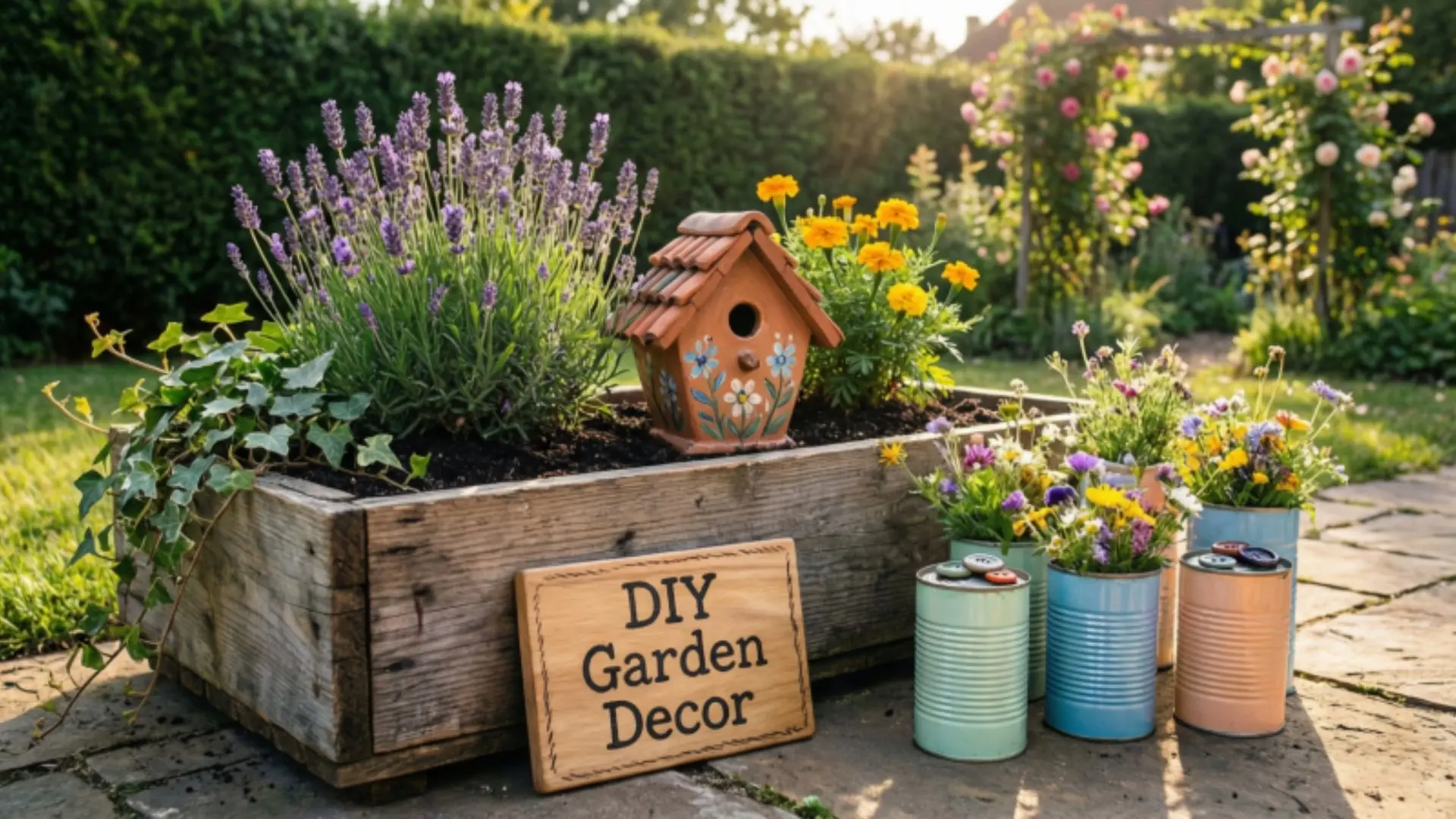
Imagine walking into your garden and feeling… nothing. The plants are there, sure, but the space feels cold, generic, like it could belong to anyone. Now picture the same garden with a splash of color from hand-painted pots, a cozy bench you refurbished yourself, or a string of soft lights glowing at dusk. Suddenly, it feels alive. Personal. Yours.
That’s the magic of DIY garden decor. It’s not just about making your outdoor space look pretty — it’s about creating a place that reflects your personality, your style, and even your mood. With a few simple projects, you can turn a plain yard into a sanctuary where every corner tells a story, where every detail sparks joy. And the best part? You don’t need to spend a fortune or hire a professional — a little creativity goes a long way.
Benefits of DIY Garden Decor
There’s something surprisingly satisfying about creating something with your own hands. With DIY garden decor, the perks go beyond just a pretty yard.
1. Cost Savings: Buying garden decorations can get expensive fast. A few cans of paint, some old containers, or repurposed wood often cost a fraction of store-bought pieces — and they look just as charming, if not more.
2. Boosts Creativity: Every project gives you a chance to experiment. Want a colorful mosaic pathway? Go for it. Prefer quirky painted stones? Why not. DIY lets you try ideas that perfectly match your style.
3. Personalization: Nothing says “this garden is mine” like handmade decor. Each piece tells a story — maybe it’s a painted pot from a rainy Saturday afternoon or a bench you restored while listening to your favorite playlist.
4. Eco-Friendliness: Upcycling and repurposing materials reduces waste. That old crate or tin can isn’t trash — it’s a potential planter, a lantern holder, or a tiny herb garden.
5. Emotional Satisfaction: Watching your garden come alive with pieces you crafted yourself is oddly therapeutic. There’s pride in stepping back and saying, “I made this.” Plus, friends and family always notice — and often ask how they can try it too.
DIY garden decor isn’t just decoration. It’s an experience — one that leaves your outdoor space looking unique while giving you a little creative boost along the way.
Planning Your Garden Decor Projects
Before diving into paints, pots, or pallets, it helps to take a step back and look at your space. Ask yourself: How much room do I have? What’s the vibe I’m going for — cozy, whimsical, modern, or eclectic? Taking stock of your garden first helps your DIY efforts feel intentional rather than random.
Next, consider your budget. DIY doesn’t mean free, but it can be affordable. Decide how much you’re willing to spend and prioritize projects that give the most impact for the least cost. Often, small touches like a few painted pots or a string of fairy lights can completely change the look without breaking the bank.
Then, look at the materials you already have. Old jars, crates, or leftover paint can be transformed into charming decor. Sometimes, the best ideas come from making something out of what you already own.
Finally, think about starting small versus going big. A small project — like a handmade garden sign or a single planter — can boost your confidence and give you quick results. Bigger projects, like pallet furniture or a garden pathway, take more time and planning but can dramatically transform your space. Starting small often makes the bigger projects feel more achievable.
By planning carefully, you’ll set yourself up for success, avoid wasted effort, and enjoy every step of creating your unique garden oasis.
Planning Your Garden Decor Projects
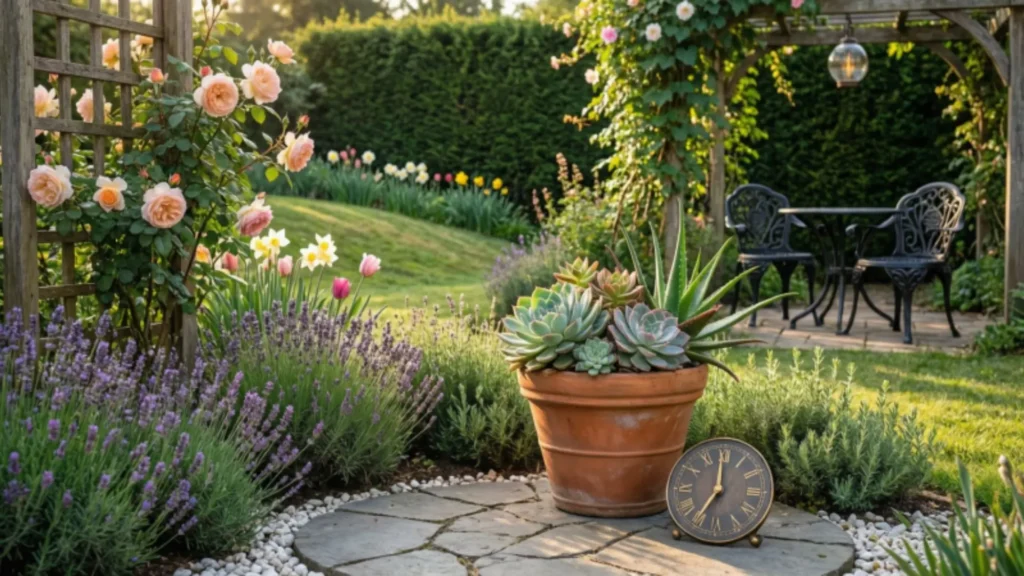
Before diving into paints, pots, or pallets, take a moment to step back and really look at your space. How much room do you have? What kind of vibe do you want — cozy, whimsical, modern, or eclectic? Understanding your garden first helps your DIY efforts feel deliberate rather than scattered.
Next, think about your budget. DIY doesn’t mean free, but it can be surprisingly affordable. Decide how much you’re willing to spend, and focus on projects that deliver the biggest impact for the least cost. Sometimes, a few hand-painted pots or a string of fairy lights is all it takes to make the space feel magical.
Take stock of the materials you already have. Old jars, crates, leftover paint, or even a forgotten teacup can be turned into charming decor. Often, the best ideas come from reimagining what’s already around you — like turning a rusty bucket into a playful herb planter.
Finally, consider whether to start small or dream big. A tiny project — like a single planter or a DIY garden sign — gives quick results and builds confidence. Bigger projects, like pallet furniture or a garden pathway, take more time and planning but can completely transform your outdoor space. Sometimes starting small is the key to tackling the big ones without feeling overwhelmed.
By taking the time to plan, you’ll not only avoid wasted effort but also enjoy the creative process itself. After all, part of the joy of DIY garden decor is watching your ideas come to life, one little project at a time.
Choosing the Right Materials
Picking the right materials can make or break a DIY garden project. After all, your creations have to survive sun, rain, wind, and sometimes curious pets. The good news? You don’t need fancy supplies — just a little planning.
Outdoor-Friendly Basics: Look for materials that can handle the elements. Weather-resistant paints, treated wood, and sturdy metals are great starting points. Even small things like sealing pots or using rust-proof screws can make a huge difference in how long your projects last.
Recycled and Upcycled Items: One of the best parts of DIY garden decor is giving old items new life. Think crates, jars, tin cans, wooden pallets, or even broken furniture pieces. Not only does this save money, but it’s eco-friendly — and often, the quirks of these repurposed items add charm your garden wouldn’t get from store-bought decor.
Natural Elements: Stones, driftwood, bamboo, and other natural items can blend beautifully with your plants. They’re versatile, often free, and they age gracefully over time, adding a rustic, lived-in feel to your outdoor space.
Durability Tips: A little prep goes a long way. Seal wood against moisture, paint metal to prevent rust, and make sure containers have drainage holes. These small steps help your DIY creations last longer and keep your garden looking fresh all year.
Painting and Decorating Garden Pots
Sometimes, the simplest project makes the biggest difference. A plain clay or plastic pot doesn’t have to stay boring — a little paint and creativity can turn it into a standout piece of DIY garden decor.
Add Color with Ease: Start with colors that match your garden’s vibe. Soft pastels create a calm, serene feeling, while bright, bold shades bring energy and fun. You don’t need to be an artist — even a single splash of color can make a pot pop.
Play with Patterns and Stencils: Stripes, polka dots, chevrons, or even tiny hand-painted flowers can make your pots feel custom-made. If freehand isn’t your thing, stencils are a lifesaver. They give your designs a polished look without a lot of effort.
Finishing Touches Matter: Don’t forget the little details. A coat of weather-resistant sealant helps your pots survive rain and sun. Adding small accents like rope handles, painted stones glued to the rim, or even a tiny label for your herbs can make them feel personal and unique.
Using Recycled Containers as Planters
You don’t always need to buy new pots to make your garden look amazing. Sometimes, the most charming pieces come from things you’d otherwise toss. Using recycled containers as planters is a simple, eco-friendly, and budget-friendly way to add personality to your outdoor space.
Buckets, Crates, Jars, and Tins: Old metal buckets, wooden crates, glass jars, or even tin cans can become unexpected garden stars. Drill a few drainage holes, add soil, and plant your favorite flowers or herbs. Suddenly, an old item becomes a practical and decorative planter.
Eco-Friendly and Creative: Upcycling not only saves money but also reduces waste. That rusty tin can isn’t trash — it’s a potential herb garden. A broken teacup? Perfect for a tiny succulent. And the best part: the quirks of recycled containers add character that store-bought pots can’t match.
Handmade Garden Signs and Quotes
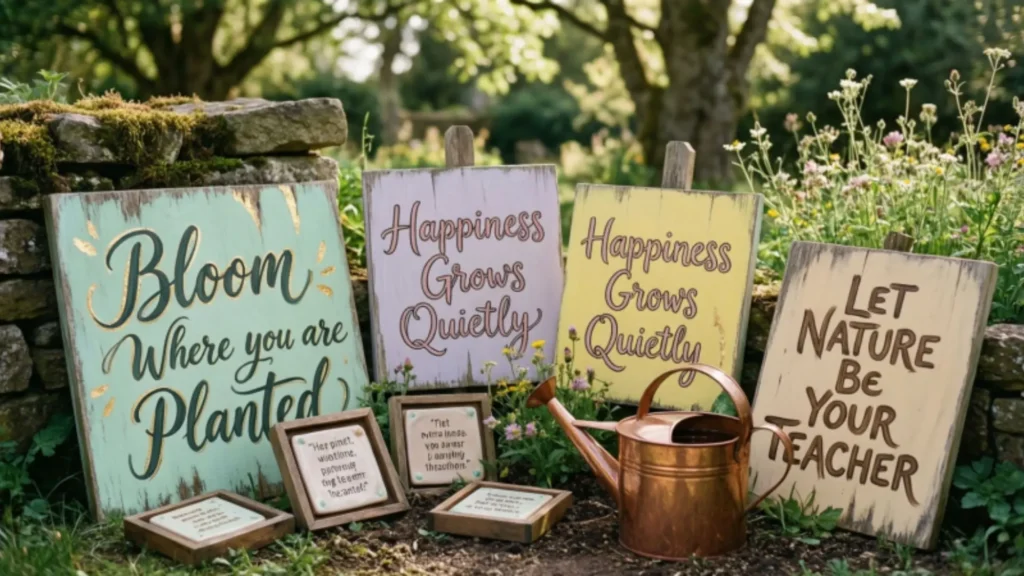
A garden isn’t just plants and flowers — it’s a space that can reflect your personality and tell a story. Handmade garden signs and quotes are a simple way to add that personal touch, turning your outdoor area into something uniquely yours.
Personal Messages and Plant Labels: You can create small wooden or metal signs to label your herbs, flowers, or vegetable beds. Or get playful with messages like “Pick Me” for a tomato plant, or “Bee Happy” near flowers that attract pollinators. These little details make your garden feel interactive and charming.
Inspirational Quotes: A short quote can completely change the mood of a space. Something like “Grow Through What You Go Through” or “Bloom Where You’re Planted” adds a subtle emotional layer — a little nudge of positivity every time you step outside.
Tips for Lettering and Design: Don’t worry about being perfect. Slightly uneven letters or hand-drawn designs add personality. Stencils can help if you want a neater look, and outdoor paints or sealants ensure your signs survive sun and rain. You can even mix materials — wood, slate, or recycled tin — to create different textures and styles.
Mini Example: Imagine a small painted wooden sign hanging from a trellis: “Welcome to Our Garden.” Every guest notices it, and every time you see it, it makes the space feel more inviting. That’s the beauty of DIY garden decor — small touches with big impact.
Stone and Pebble Art Ideas
Sometimes, the smallest details make the biggest difference in a garden. Stone and pebble art is one of those subtle touches that instantly adds charm, personality, and a bit of fun to your outdoor space.
Painting and Decorating Stones: Smooth stones are a perfect canvas. You can paint tiny flowers, animals, or even inspiring words on them. Don’t worry about perfection — a little imperfection makes them feel handmade and whimsical. Place them among plants, on window sills, or in flower pots for an instant pop of personality.
Arranging Pebbles in Pathways: Pebbles aren’t just filler — they can form patterns, borders, or mosaics. Try a simple heart shape along a garden path, or create geometric designs for a modern touch. It’s a low-cost way to make walking through your garden feel special.
Creative Mini Details: You can get playful — stack pebbles to make tiny sculptures, spell out short words, or even use them as markers for different plants. Kids love joining in on these projects, which makes stone art a family-friendly addition too.
Mini Example: Imagine a row of painted stones spelling “Welcome” leading up to your garden bench. It’s a tiny detail, but it immediately makes the space feel curated, inviting, and distinctly yours.
Stone and pebble art proves that DIY garden decor doesn’t always have to be big or expensive — sometimes, a few thoughtful touches can completely transform a corner of your garden.
DIY Lighting for Gardens
A garden doesn’t have to disappear when the sun goes down. DIY lighting can turn your outdoor space into a cozy, magical retreat that feels warm and inviting, even at night.
Mason Jar Lanterns: Mason jars aren’t just for jam. Fill them with fairy lights, small candles, or solar lights, and hang them from tree branches, pergolas, or hooks. They cast a soft, twinkling glow that instantly makes your garden feel intimate and charming.
Solar and Bottle Lights: Reuse glass bottles as pathway lights by placing solar LED bulbs inside. Not only does this save money, but it creates a whimsical, fairytale-like vibe. Solar lights are especially convenient because they require no wiring and charge during the day, so they light up automatically at night.
Transforming Ambiance: Lighting isn’t just decorative — it changes how you experience your garden. A softly lit path makes evening strolls feel magical, while accent lights on a bench or a plant bed create a focal point and depth. With just a few DIY lighting touches, your garden can become a space you love lingering in after sunset.
Mini Example: Picture sipping tea on a small patio, surrounded by hand-painted pots and soft, glowing mason jar lanterns. The space feels personal, relaxing, and completely yours — and you made it all happen.
Lighting is one of those DIY garden decor projects that pays off immediately, adding both beauty and usability to your outdoor space.
Furniture Makeovers
Sometimes the biggest transformation in a garden isn’t a new plant or decoration — it’s breathing new life into old furniture. A weathered bench, a chipped chair, or a forgotten table can become the focal point of your outdoor space with a little DIY effort.
Refreshing Benches, Chairs, and Tables: Start by sanding down rough spots, then apply outdoor-friendly paint or stain. Even a simple color change can completely alter the vibe — think soft pastels for a calm corner, or bold, bright shades for a cheerful, playful feel. Don’t worry about perfect lines; the slightly rustic look often adds charm.
Adding Cushions and Throws: Comfortable seating invites you — and your guests — to linger longer. Weather-resistant cushions, throws, or even a few patterned pillows make your furniture cozy and welcoming. Bonus: swapping fabrics seasonally keeps your garden feeling fresh without a major investment.
Protective Coatings: Don’t forget practicality. A clear sealant or waterproof coating helps your furniture withstand sun, rain, and dew, ensuring your efforts last for years.
Mini Example: That old wooden bench tucked into a corner? Give it a soft teal coat, add a couple of striped cushions, and suddenly it’s the perfect spot for morning coffee or a quiet read. A small makeover like this can change not just the look but also the feel of your garden.
Furniture makeovers are a simple yet impactful way to combine style, comfort, and personality in your outdoor space — and the best part is, you did it yourself.
DIY Pallet Furniture Projects
If you’ve ever glanced at a stack of old wooden pallets and thought, “There’s gotta be something I can do with these,” you’re not alone. Pallets are surprisingly versatile and can be transformed into functional, stylish furniture for your garden.
Sofas and Seating: With a little sanding and stacking, pallets can become the base for a comfy outdoor sofa. Add cushions or even a waterproof mattress topper, and suddenly you have a cozy corner to relax, read, or entertain. The rustic wood adds character that store-bought furniture often lacks.
Coffee Tables and Plant Stands: Pallets aren’t just for seating. A single pallet can become a coffee table, complete with a glass top or painted surface. Stack a couple together, and you’ve got a multi-level plant stand to showcase your herbs, flowers, or small shrubs.
Step-by-Step or Inspiration Examples:
- Sand each pallet thoroughly and remove any nails sticking out.
- Paint or stain them to match your garden’s color scheme.
- Stack or arrange as needed, securing with screws if you’re building taller pieces.
- Add cushions, decorative throws, or potted plants for personality.
Mini Example: Imagine a corner of your garden with a pallet sofa painted soft grey, bright cushions scattered across it, and a small coffee table made from a matching pallet holding your morning coffee. It’s practical, personalized, and completely DIY.
Pallet furniture is one of those projects that looks expensive but costs very little, giving your garden both style and functionality with a personal touch.
Vertical Gardening and Wall Decor
Not everyone has a sprawling backyard, but that doesn’t mean you can’t create a lush, vibrant garden. Vertical gardening and wall decor are perfect for maximizing small spaces while adding height, texture, and visual interest.
Hanging Planters: Think beyond the ground. Hang pots from hooks, railings, or even a sturdy branch. Herbs, trailing flowers, or small succulents thrive in hanging planters and free up space below for other decor or furniture.
Shelves and Wall-Mounted Displays: Wooden shelves or repurposed crates can hold multiple potted plants, garden tools, or small decorative items. Arranged thoughtfully, they create an eye-catching vertical focal point. Even a simple ladder leaned against a wall can become a charming plant display.
Trellises and Climbing Supports: Vertical trellises allow climbing plants like ivy, beans, or morning glories to grow upward instead of sprawling across the ground. They add dimension, privacy, and a bit of drama to your garden — and they look amazing when combined with DIY decorations like hanging lanterns or painted signs.
Mini Example: Picture a small patio wall lined with a vertical garden of hanging pots, colorful succulents, and a tiny trellis with flowering vines. You’ve turned a previously empty wall into a vibrant, layered garden feature that draws the eye and maximizes space.
Vertical gardening proves that limited space doesn’t limit creativity. With a few simple DIY touches, walls and corners become just as lively and inviting as open ground.
Seasonal or Rotating DIY Garden Decor
Your garden doesn’t have to look the same all year. Seasonal or rotating DIY garden decor lets you keep things fresh, playful, and perfectly suited to the mood of each season — without spending a fortune.
Adapting for Spring, Summer, Fall, or Holidays: In spring, think bright pastel planters and flowering bulbs. Summer calls for vibrant colors, lightweight seating, and cheerful accents like fairy lights. Fall is perfect for pumpkins, dried leaves, and rustic textures. Winter or the holiday season? Add subtle lanterns, small wreaths, or DIY ornaments to bring warmth to the outdoor space.
Swapping Elements on a Budget: You don’t need to overhaul your garden every season. Swap cushions, add a few seasonal accents, or repaint small planters. Even moving around potted plants or incorporating a seasonal centerpiece can make a space feel completely new.
Mini Example: Imagine a small patio table with a DIY planter centerpiece. In spring, it’s filled with tulips and daisies; come fall, it’s replaced with mini pumpkins and dried foliage. A small change, but it completely refreshes the space and keeps your garden feeling alive all year.
Seasonal decor is a fun, low-cost way to keep your garden evolving. It lets you experiment with colors, textures, and styles while keeping your outdoor space interesting for yourself and visitors alike.
Combining Plants with Decor
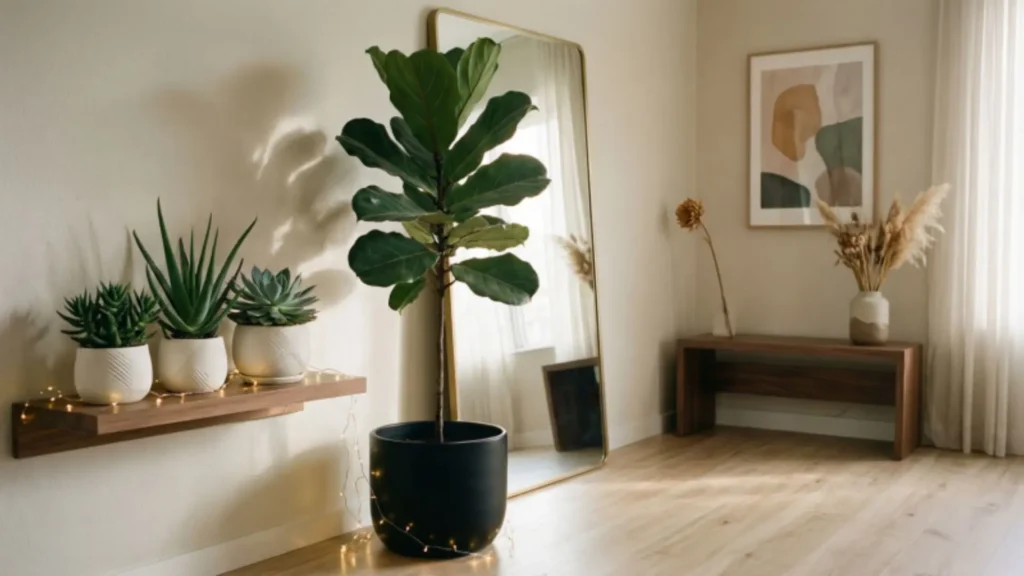
Your DIY creations shine even more when paired thoughtfully with plants. Combining plants with decor isn’t just about filling space — it’s about creating harmony, focus, and a garden that feels intentional.
Choosing Plant Types to Complement DIY Elements: Consider the colors, textures, and sizes of your plants alongside your handmade pieces. Tall plants like sunflowers or ornamental grasses pair beautifully with low benches or pallet furniture, while trailing vines and cascading flowers complement hanging planters and wall-mounted shelves. Play with contrasts — a soft green fern against a bright, hand-painted pot can make both elements pop.
Creating Focal Points: Focal points draw the eye and give your garden a sense of purpose. Use a DIY planter cluster, a colorful bench, or a unique sculpture surrounded by plants to guide visitors’ attention. Repeating small elements, like painted stones or tiny lanterns, can create visual pathways that lead the eye around your space.
Mini Example: Imagine a corner of your garden where a rustic crate holds a mix of herbs, a trailing ivy vine climbs a nearby trellis, and a few painted stones are scattered at the base. The plants soften the edges of your DIY decor, while the decor gives the plants a playful, curated stage. The result feels intentional, lively, and welcoming.
Pairing plants with your DIY pieces ensures that every corner of your garden tells a cohesive story — one that balances nature’s beauty with your personal touch.
FAQs
What is the easiest DIY garden decor project for beginners?
Painting pots or arranging pebbles is simple, budget-friendly, and instantly transforms your garden.
Can recycled items really work as garden decor?
Absolutely! Buckets, jars, crates, and tins can become charming planters or decorative pieces.
How do I protect DIY decor from weather damage?
Use outdoor paints, sealants, and waterproof coatings to keep materials safe from sun and rain.
How can I make a small garden feel bigger with DIY projects?
Vertical gardening, wall-mounted planters, and tiered plant displays maximize space and add depth.
How often should I update my garden decor?
Seasonally swapping small accents like cushions, lights, or planters keeps your garden fresh and lively.
Conclusion:
The best part about DIY garden decor is that there’s no “right” way to do it. Start small — a painted pot, a handmade sign, or a string of fairy lights — and see where your creativity takes you. Each little project is a chance to experiment, learn, and add personality to your outdoor space.
Don’t worry about perfection. Some of the most charming gardens are filled with quirks, mismatched containers, and playful mistakes that make the space feel lived-in and personal. Your garden should reflect you, not a catalog photo.
So pick up that brush, repurpose that old crate, or hang those mason jar lights. Have fun, enjoy the process, and watch your garden slowly transform into a space that’s uniquely yours. After all, DIY is as much about the journey as it is about the final look.
