

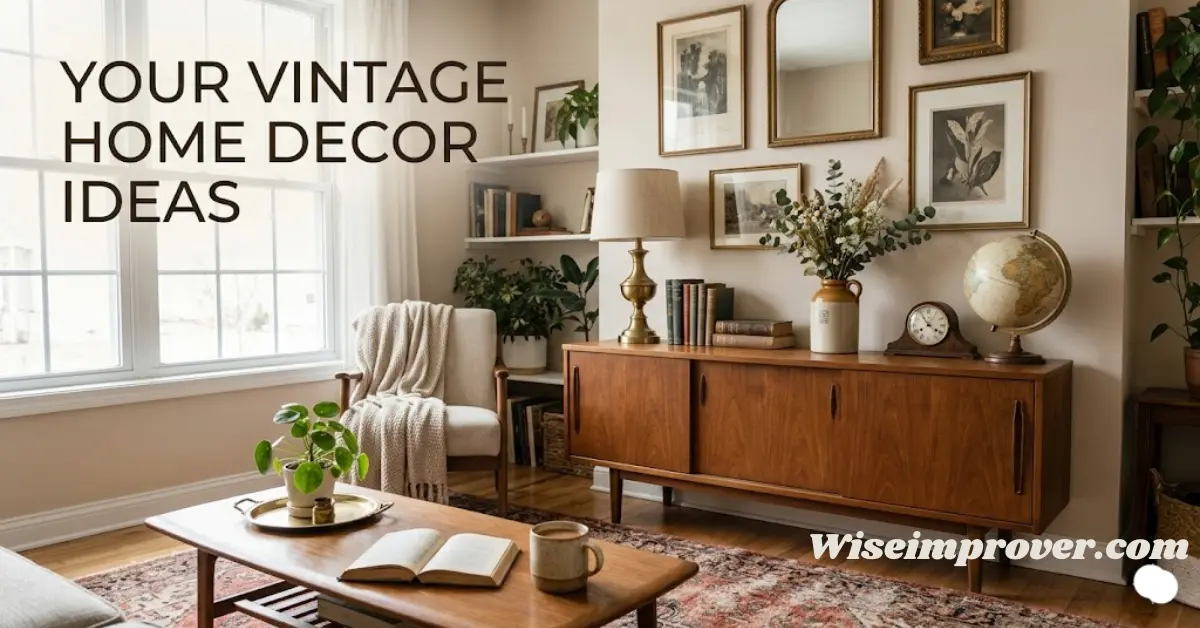
If you’ve ever stepped into a room and instantly felt at ease, chances are it had a touch of vintage charm. There’s a warmth in spaces filled with character—slightly worn furniture, soft lighting, and decor that feels like it has a story to tell. That’s exactly what vintage home decor ideas aim to capture: timeless style that doesn’t scream trend but quietly invites you to linger.
You might be thinking, “I like vintage, but my home isn’t that old!” The good news? You don’t need a century-old mansion to pull this off. With the right mix of statement pieces, textures, and carefully chosen accents, you can create a space that feels curated, lived-in, and authentically you.
In this guide, we’ll explore practical, achievable ways to bring vintage style into your home. From furniture and color palettes to lighting and small decorative touches, these ideas aren’t just pretty—they’re designed to make your home feel like it has a story, your story. And yes, even small tweaks can make a big difference.
The Charm of Statement Pieces
When it comes to vintage home decor, a single standout item can completely change the feel of a room. Think of it as the personality anchor of your space—a piece that immediately draws attention and sets the tone. It could be an antique wooden armchair, a distressed coffee table, a mid-century dresser with character, or even a vintage chandelier that catches the eye. The beauty of statement pieces is that they don’t just fill space—they tell a story.
Here’s a tip from real-life interiors: start with one piece per room. It’s easy to get carried away collecting vintage items, but too many can clash or make the space feel cluttered. Imagine a living room with a bold, carved wooden cabinet. Surround it with simpler modern furniture and soft textiles, and suddenly the room feels curated rather than chaotic.
You’ll also notice that statement pieces often spark conversations. Guests might ask where you found that vintage mirror, quirky lamp, or patterned rug, giving your home a sense of personality and authenticity. Don’t be afraid to mix textures and finishes—a worn leather chair beside a sleek metal side table or an old trunk as a coffee table can create a fascinating contrast that feels effortlessly stylish.
Mini Insight: One homeowner I know paired a chipped, rustic console table with a minimalist sofa and modern lamp. The result? The vintage piece became the room’s focal point, while the modern touches balanced it, keeping the space fresh and inviting. Even small tweaks, like adding a vintage rug or a brass accent, can make statement pieces feel intentional and lively.
Reflective Question for You: Which item in your home could serve as a statement piece if highlighted properly? Could that old bookshelf, heirloom chair, or forgotten side table finally get the attention it deserves?
Mixing Vintage with Modern
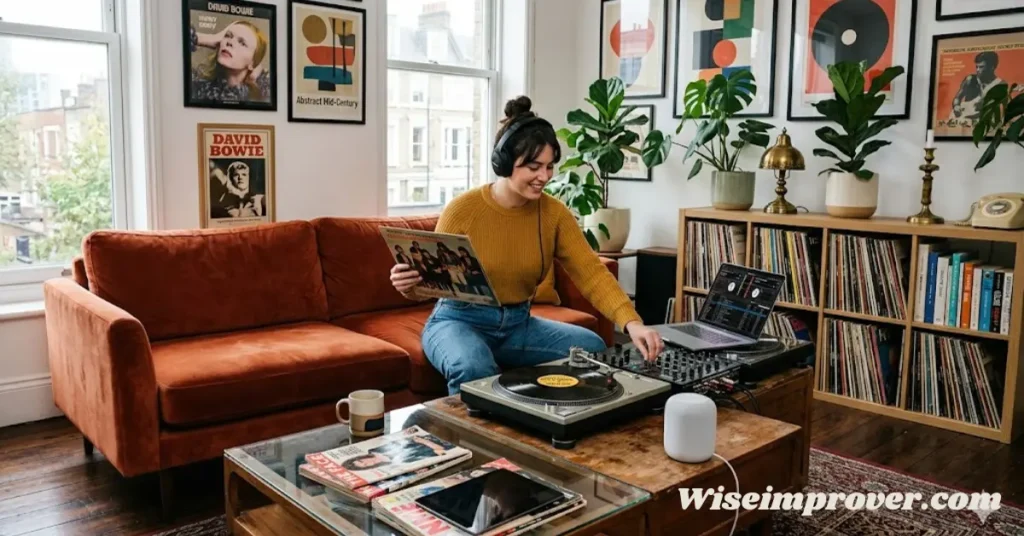
One common mistake in vintage home decor is going “all vintage” in a single room. While it may sound authentic, it can sometimes feel heavy, outdated, or even cluttered. The secret to timeless style is balance—blending vintage charm with modern simplicity.
For example, pair a mid-century wooden dresser with a sleek, contemporary sofa, or hang a vintage mirror above a clean-lined console. This contrast highlights the uniqueness of the vintage item while keeping the overall space fresh and livable. Even small touches, like adding a modern lamp or minimalist cushions, can make a room feel updated without losing character.
Mini Insight: A friend of mine used a worn leather armchair from the 1950s and paired it with a crisp, white Scandinavian-style rug. The vintage piece immediately stood out, but the modern elements made the space feel airy and welcoming, rather than heavy or old-fashioned.
Reflective Question for You: Could a few modern accents help your vintage items shine more? Sometimes it’s not about adding more, but letting the pieces breathe.
Choosing Materials That Age Well
Vintage style isn’t just about “looking old”—it’s about materials that develop character over time. Choosing the right materials ensures your pieces will only get better with age, giving your home a sense of history and warmth.
Some materials naturally lend themselves to vintage decor:
- Solid wood: scratches, dents, and a natural patina add charm
- Leather: softens and darkens over time, creating a lived-in feel
- Brass and copper: develop a warm, antique glow with oxidation
- Linen and cotton fabrics: wrinkles and texture add authenticity
Think about your favorite antique chairs or tables—they have stories etched into their surfaces. By choosing materials that age gracefully, you’re essentially curating a home that grows more inviting over time.
Mini Insight: One homeowner kept an old oak dining table and refinished it slightly every few years. Rather than erasing its history, the minor touch-ups enhanced its character, making it feel even more personal and unique.
Reflective Question for You: Which of your furniture pieces could embrace a little wear and tear instead of being replaced? Sometimes imperfection is the secret to true vintage charm.
Small Vintage Accents That Make a Big Impact
You don’t need to overhaul your entire home to achieve vintage charm. Sometimes, it’s the small touches that completely change a space. These accents can add warmth, personality, and a sense of history—without feeling overwhelming.
Consider adding:
- Old books with worn covers stacked on a coffee table or shelf
- Vintage clocks or radios that double as conversation starters
- Ceramic vases, brass trays, or antique picture frames
- Textiles like embroidered cushions or patterned throws
Even one or two of these small pieces in a room can give it a curated, lived-in look. The trick is placement: group items thoughtfully rather than scattering them randomly. For instance, a small shelf with a vintage photo frame, a tiny vase, and a candle can feel intentional and charming.
Mini Insight: I recently saw a living room where the homeowner placed a small, chipped ceramic bowl on a side table. It was barely noticeable at first, but when paired with a stack of old books and a vintage lamp, the entire corner suddenly felt cozy and personal.
Reflective Question for You: Which small object in your home could become a vintage accent? Could a simple vase, old book, or heirloom trinket quietly transform a space?
Color Palettes for Vintage Homes
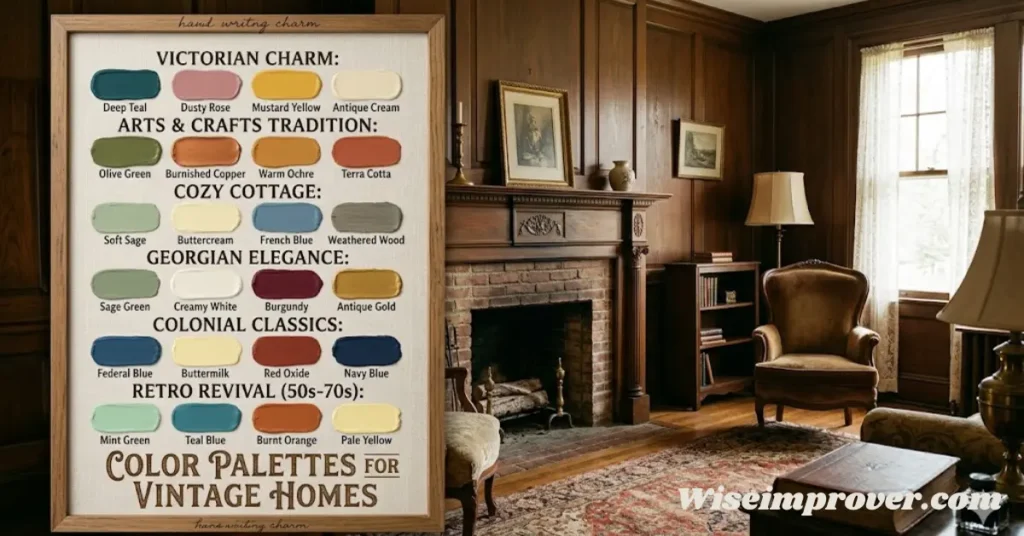
Color is more than just decoration—it sets the mood. In vintage home decor, soft, muted tones and earthy shades work best to evoke nostalgia and warmth. Think creams, soft blues, sage greens, and faded yellows. These colors complement aged wood, brass, and worn textiles perfectly.
Tips for using color effectively:
- Neutral base: Walls or large furniture pieces in beige, cream, or soft gray
- Accent colors: Deep greens, muted blues, or burnt orange on pillows, rugs, or small furniture
- Layering textures: Combine painted surfaces, natural wood, and fabrics to keep the palette interesting
The right colors make vintage pieces pop without overwhelming the room. They create a sense of harmony, making every chair, lamp, or rug feel like it belongs.
Mini Insight: One homeowner painted her walls a soft sage green and paired it with antique oak furniture. The muted wall color highlighted the natural grain of the wood, making even small vintage items like brass lamps stand out beautifully.
Reflective Question for You: Could adjusting your room’s color palette help your vintage pieces shine? Sometimes a subtle wall tone is all you need to elevate the entire space.
Vintage Lighting Ideas
Lighting is one of those things people often overlook… until something feels “off” in the room. You can have beautiful furniture and carefully chosen decor, but if the lighting is too harsh or flat, the whole vintage vibe disappears.
Vintage-inspired spaces usually feel softer and more relaxed. Not dim, just… gentle on the eyes.
Instead of relying on a single overhead light, try layering different sources:
- A table lamp with a fabric or slightly textured shade
- A floor lamp in brass, bronze, or an antique-style finish
- Wall sconces if you want that subtle old-world feel
- Even a warm-toned bulb can make a noticeable difference
The idea isn’t to brighten every corner—it’s to create pockets of warmth. Areas where you naturally feel like sitting down, reading, or just slowing down a bit.
Mini Insight: I once walked into a room that had all the right furniture, but it felt oddly cold. The owner later swapped out a bright white bulb for two warm lamps on either side of the sofa—and suddenly the space felt completely different. Same room, totally new mood.
Also, don’t worry if your lighting isn’t actually vintage. A well-designed modern lamp with a classic shape or aged finish can blend in beautifully.
Reflective Question for You: When you turn your lights on in the evening, does your space feel cozy—or more like a workspace? That small difference matters more than you think.
Upcycling and Repurposing Vintage Items
This is where things start to feel personal.
Vintage home decor isn’t just about buying old items—it’s about seeing potential in things others might overlook. Sometimes the most unique pieces in a home aren’t expensive… they’re just reimagined.
You can turn everyday old items into something meaningful:
- An old ladder used as a blanket or towel rack
- Wooden crates stacked into shelves or side tables
- A vintage suitcase turned into a coffee table
- An old door repurposed as a headboard
There’s something satisfying about giving an object a second life. It adds a layer of story that brand-new decor just can’t replicate.
Mini Insight: Someone I know found an old wooden window frame at a flea market. It wasn’t perfect—paint was chipped, edges slightly worn. Instead of restoring it completely, they cleaned it lightly and hung it on the wall. That “imperfection” ended up being the most eye-catching part of the room.
Upcycling also gives you creative control. You can repaint, refinish, or leave things exactly as they are. There’s no strict rule here—which is honestly what makes it fun.
Reflective Question for You: Is there something in your home you’ve been thinking of throwing away? What if it just needs a different purpose instead?
Wall Decor & Artwork
Walls are often the most underused part of a home—and in vintage decor, they can quietly become the most expressive.
Instead of leaving them plain or filling them with generic prints, think of your walls as a place to tell a story. Vintage wall decor isn’t about perfection—it’s about personality.
You can experiment with:
- Framed black-and-white photos or old portraits
- Vintage-style paintings or slightly faded artwork
- Antique mirrors with detailed frames
- Old maps, posters, or handwritten prints
Gallery walls work especially well here—but don’t overthink the layout. A slightly uneven, collected-over-time look actually feels more authentic than a perfectly measured arrangement.
Mini Insight: I’ve seen a wall with mismatched frames—different sizes, finishes, even slight wear—and somehow it worked better than a perfectly matched set. It felt real, like each piece had been added at a different time.
Also, mirrors deserve special mention. A vintage mirror can reflect light, make a room feel bigger, and act as a statement piece all at once.
Reflective Question for You: Do your walls feel empty or just “filled”? What if you treated them more like a collection than decoration?
Creating a Cohesive Vintage Style
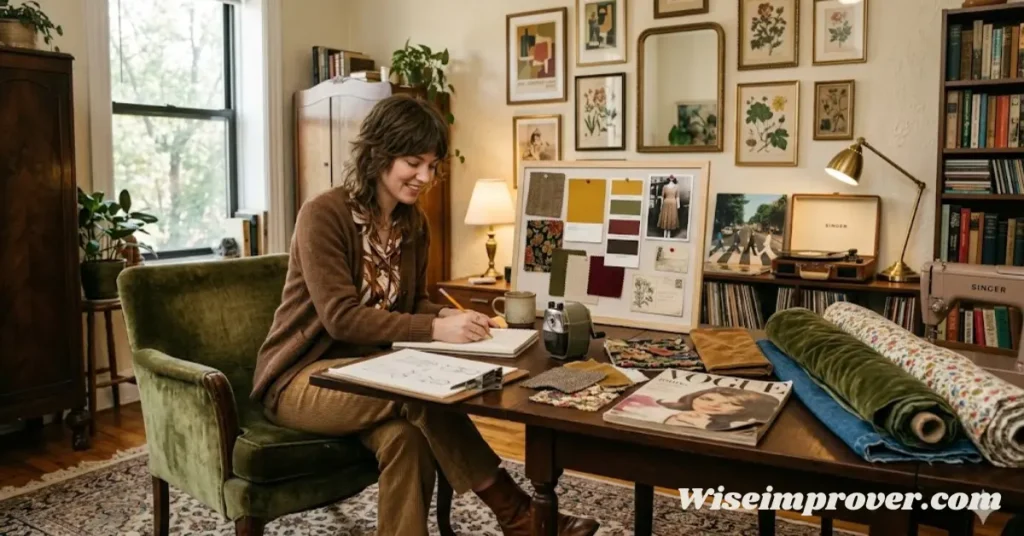
At this point, you might be wondering—how do you bring all these elements together without it feeling messy?
That’s the real art of vintage home decor.
It’s not about matching everything. It’s about creating a space where everything feels like it belongs, even if it comes from different eras.
Here are a few simple ways to keep things cohesive:
- Stick to a loose color palette so pieces naturally connect
- Repeat materials (like wood, brass, or linen) across the room
- Balance old and new so the space doesn’t feel too heavy
- Leave breathing room—not every corner needs decoration
Think of your home like a story unfolding slowly. You don’t need to get everything right at once. In fact, the best vintage spaces evolve over time.
Mini Insight: One of the most inviting homes I’ve visited didn’t look “designed” at all. Nothing matched perfectly, but everything felt intentional. It was clear the space had grown naturally—and that’s what made it special.
And honestly, that’s the goal here. Not perfection. Not trends. Just a space that feels comfortable, personal, and a little bit timeless.
Reflective Question for You: Does your space feel like “you”? Or does it feel like something you’re trying to copy? Sometimes the difference is in the smallest details.
FAQs
How can I decorate my home in a vintage style?
Start with one statement piece, mix it with modern items, and add small vintage accents like lamps, frames, or textiles.
What colors work best for vintage home decor?
Soft, muted tones like cream, sage green, faded blue, and warm neutrals create that classic vintage feel.
Can I mix vintage and modern furniture together?
Yes, mixing both creates balance and makes vintage pieces stand out without making the room feel outdated.
What are some easy vintage decor ideas for beginners?
Add old books, vintage mirrors, soft lighting, or antique-style accessories to instantly change the vibe.
How do I make my home look vintage on a budget?
Try thrift stores, upcycle old items, and repurpose things you already have instead of buying expensive antiques.
What materials are best for vintage-style interiors?
Wood, leather, brass, linen, and cotton work well because they age beautifully and add natural character.
How do I make a room feel cozy and vintage?
Use warm lighting, layered textures, and a few meaningful decor pieces to create a relaxed, lived-in feel.
Conclusion
Creating a timeless space with vintage home decor ideas isn’t about getting everything perfect—it’s about building a home that feels warm, personal, and lived-in. You don’t need to follow strict rules or chase expensive antiques. Sometimes, it’s as simple as adding one meaningful piece, softening the lighting, or choosing materials that age beautifully over time. These small choices slowly come together to create a space that feels authentic and comfortable.
What makes vintage style truly special is how it grows with you. Your home doesn’t have to look “finished” right away—in fact, it’s better when it evolves naturally. So take your time, trust your instincts, and let each piece you add tell a part of your story. In the end, the goal isn’t just a beautiful home… it’s a space that genuinely feels like yours.
