

Introduction: Why DIY Decor Matters
Benefits of DIY: Personalization, Cost-Saving, and Creative Satisfaction
There’s something special about making your own home decor. You’re not just buying a product — you’re creating a piece that reflects you. Whether it’s a hand-painted vase, a thrifted chair with a fresh coat of paint, or a quirky wall hanging, DIY projects allow you to infuse personality into your space. Plus, it doesn’t have to cost a fortune. Many DIY projects use affordable or repurposed materials, saving you money while giving you a sense of accomplishment that no store-bought item can match.
How DIY Helps Your Home Feel Unique
Ever noticed how some homes feel warm and lived-in while others feel generic? Often, it’s the little personal touches that make the difference. DIY decor ensures your home tells your story. Maybe it’s a photo wall of family adventures, a colorful hand-painted tray, or a jar of seasonal flowers on the kitchen counter. These are details that make your home unmistakably yours.
A Quick Story or Example of a Small DIY Project Making a Big Impact
Take a simple example: a plain wooden stool in the corner of your living room. It looks ordinary, right? But a little sanding, a coat of bright turquoise paint, and some stencil patterns later, and it becomes an eye-catching accent piece. Not only does it brighten the room, but it sparks conversation — friends often ask, “Where did you get this?” The truth? You made it. That’s the magic of DIY: small projects, big personality.
Understanding Your Space and Style
Assessing Your Room Layout Before Starting
Before grabbing paint or picking up decor items, take a step back and really look at your room. Ask yourself: How do I use this space? What feels crowded or empty? Even small adjustments, like moving a chair or shifting a rug, can make a huge difference. Understanding the layout first prevents you from buying things that won’t fit or arranging items in ways that feel awkward. Think of it as creating a roadmap for your decor journey — it saves frustration later.
Choosing a Color Palette That Matches Your Personality
Colors aren’t just decorative; they set the mood. Are you drawn to calm, muted tones that make a space cozy, or bold, vibrant shades that energize you? Pick a palette that resonates with you, and carry it through furniture, textiles, and accessories. For example, a soft sage green paired with warm wooden accents can make a living room feel inviting, while pops of coral or turquoise bring playful energy without overwhelming the space.
Identifying Your Style: Modern, Cozy, Eclectic, or Minimalist
Your style doesn’t have to be rigid — it’s a reflection of your personality. Some people love clean lines and minimalist spaces, while others thrive in eclectic rooms full of quirky finds. Take note of what excites you: do you gravitate toward natural textures, vintage pieces, or contemporary designs? Once you identify your style, it’s easier to choose DIY decor projects that actually fit your vision instead of just following random trends.
How a Clear Vision Prevents Wasted Effort and Money
A clear plan is your best friend in DIY decor. Without it, you might buy things that don’t match your space, paint walls the wrong color, or spend hours on a project that doesn’t fit. By knowing your layout, color palette, and style, you can focus on meaningful projects. For instance, if you’ve decided your living room is cozy and neutral, you’ll avoid buying flashy neon decorations that clash — saving both time and money while keeping your space harmonious
Budget-Friendly Mindset

Prioritizing Projects: What to Tackle First
When it comes to DIY decor, it’s easy to get excited and want to change everything at once. But tackling too many projects can drain your time and wallet quickly. Start with one room or even one corner — maybe a coffee table makeover or a small wall gallery. Ask yourself: Which project will make the biggest impact with the least effort? Focusing on high-impact areas first ensures that even small updates feel transformative.
Affordable Materials That Look High-End
You don’t need expensive furniture or luxury finishes to make a room pop. Chalk paint, peel-and-stick wallpaper, or thrifted decor pieces can look surprisingly elegant with the right approach. For example, a secondhand wooden crate can become a stylish storage solution with a bit of sanding and paint. Small details like brass handles or fabric accents often make budget items look intentional and chic.
Avoiding Overspending: Smart Shopping Tips
One of the easiest ways to blow a DIY budget is by impulse-buying. Instead, make a list of exactly what you need before heading to the store. Check out thrift shops, online marketplaces, and clearance sections. And don’t forget seasonal sales — you can snag decorative items at a fraction of the original cost. Remember, a beautiful space isn’t about how much you spend, but how creatively you use what you have.
Using Recycled or Repurposed Items to Cut Costs
Some of the most charming DIY decor comes from things you already own. Old jars can become candle holders, wooden pallets can be turned into shelves, and leftover fabric scraps can make colorful cushion covers. Repurposing not only saves money but also adds character and sustainability to your home. You’ll be surprised how a little imagination can turn everyday objects into statement pieces.
Upcycling and Repurposing Furniture
Transforming Old Chairs, Tables, or Dressers
Before tossing out that old dresser or scratched table, pause and imagine the possibilities. A little creativity can turn worn-out furniture into eye-catching pieces. Whether it’s sanding, painting, or simply rearranging, these items can become statement pieces that reflect your personality — all without spending a fortune.
Simple Paint Techniques: Chalk Paint, Stencils, or Spray Paint
Paint is one of the easiest ways to breathe new life into furniture. Chalk paint creates a soft, vintage look, stencils add patterns and personality, and spray paint is perfect for a sleek, modern finish. You don’t need to be a professional — even small, simple touches can make an old chair or table look like it came straight from a boutique.
Updating Handles and Hardware for a Fresh Look
Sometimes, it’s the little things that make the biggest impact. Swapping out dated knobs or handles can instantly modernize a dresser, cabinet, or drawer. You’d be surprised how a small, affordable update like brass or ceramic handles can transform an entire piece without the need for major renovations.
Real-Life Mini Example: Turning a Thrifted Stool into a Statement Piece
Imagine this: a plain, slightly wobbly wooden stool picked up for $5 at a thrift store. With a quick sanding, a coat of bright turquoise chalk paint, and a simple stenciled pattern on the seat, it instantly becomes a fun accent piece for your living room or bedroom. Not only is it functional, but it also sparks conversation with guests who ask, “Where did you get that?” The best part? You made it yourself.
Creative Wall Decor Ideas
DIY Wall Art and Paintings
You don’t need to be a professional artist to create wall art that stands out. Even simple abstract paintings, hand-lettered quotes, or painted canvas panels can make a big statement. A fun tip: use painter’s tape to create geometric shapes or patterns — it’s easy, inexpensive, and looks modern. The beauty of DIY wall art is that it’s uniquely yours, reflecting your personality and style.
Photo Galleries and Memory Walls
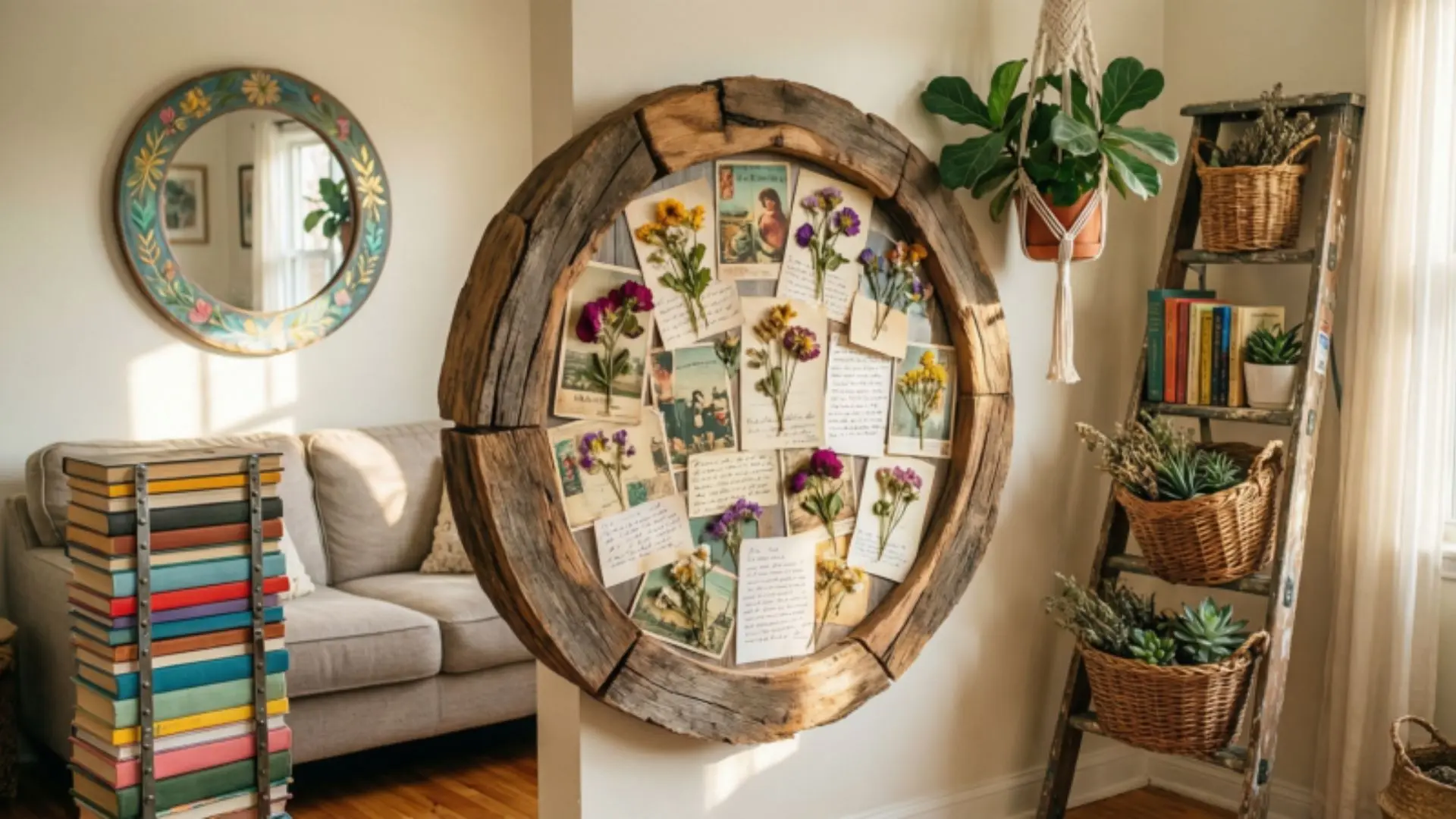
Photos are more than decoration — they tell your story. Arrange your favorite memories in a gallery wall, mixing frames of different sizes, shapes, and colors. You can even add small mementos like tickets, postcards, or pressed flowers for a truly personal touch. It’s a great way to make a plain wall feel warm and lived-in.
Decorative Shelves and Hanging Solutions
Shelves are both practical and decorative. Floating shelves can display books, plants, or small DIY projects, while hanging baskets or wall hooks add dimension and style. Even a small corner with a few carefully arranged items can instantly make your space feel curated rather than cluttered.
How Small Touches Make a Big Visual Impact
Sometimes, it’s the tiniest changes that transform a room. A colorful frame, a handmade wall hanging, or a small string of lights can completely shift the mood. Don’t underestimate the power of subtle decor; layered thoughtfully, even small accents make a room feel intentional and stylish.
DIY Planters and Greenery
Using Jars, Tins, or Teacups as Plant Holders
You don’t need expensive pots to bring life into your home. Mason jars, tin cans, or even vintage teacups can be turned into charming plant holders. Paint them, wrap them with twine, or leave them rustic — each container adds a unique touch. It’s a budget-friendly way to give your plants some personality while doubling as decor.
Indoor Plants That Are Easy to Maintain
Not everyone has a green thumb, and that’s okay! Low-maintenance plants like pothos, snake plants, or succulents thrive indoors without constant attention. They clean the air, bring natural color, and make spaces feel alive. Even a single small plant on a side table can instantly freshen a room.
Combining Plants With Decorative Elements for Style
Think beyond just a pot on a shelf. Combine plants with decorative objects like small sculptures, framed photos, or candles to create layered, visually appealing arrangements. A hanging planter near a window or a cluster of small pots on a tray can turn an ordinary corner into a lively, styled vignette.
Example: Creating a Tiny Herb Garden in the Kitchen
Here’s a fun and practical DIY: use small jars or teacups to grow kitchen herbs like basil, parsley, or thyme. Place them on a sunny windowsill, and suddenly, you have fresh ingredients within reach for cooking — plus a cute, fragrant decor display. It’s functional, affordable, and adds a touch of greenery that makes the space feel warm and inviting.
Lighting Projects That Elevate Mood
Using String Lights for Cozy Corners
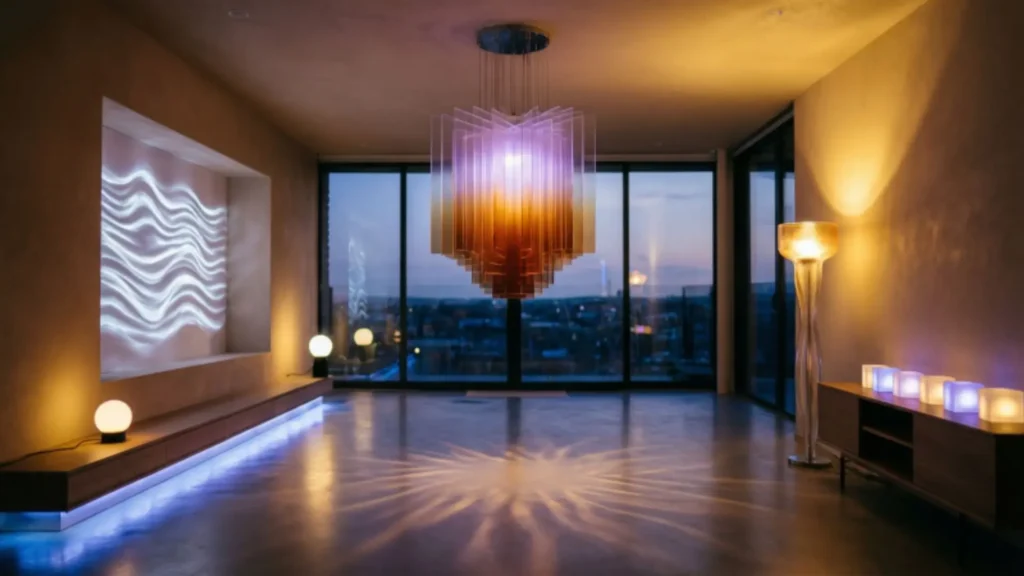
String lights aren’t just for holidays — they can instantly make any corner feel warm and inviting. Drape them over shelves, around a bedframe, or along a window sill to create a soft glow. Even a small reading nook with tiny string lights can feel magical and cozy without spending much at all.
DIY Lampshades from Baskets, Jars, or Fabric
You can turn everyday items into unique lighting solutions. An old basket or mason jar can become a lampshade with just a few tweaks, or fabric scraps can be wrapped around a lamp for a soft, diffused light. It’s a simple way to add personality to your lighting while keeping costs low.
Creative Candle Arrangements for Ambiance
Candles are a classic tool for mood lighting. Group them in clusters on trays, inside glass jars, or around small decor items to create an intimate atmosphere. Mixing heights, colors, and textures adds depth and makes even a small table feel thoughtfully styled.
Quick Tip: Layering Lights for a Warm, Inviting Feel
For a cozy, welcoming vibe, combine multiple light sources. Pair string lights with a table lamp, add a few candles, and let natural sunlight do its part during the day. Layered lighting transforms a space from flat and ordinary to warm and inviting, making your home feel more alive and lived-in.
Textiles and Soft Furnishings
Refreshing Rooms with Pillow Covers, Throws, and Rugs
Small changes in textiles can make a huge difference. Swapping pillow covers, adding a cozy throw, or laying down a patterned rug instantly refreshes a room without major renovations. These simple updates create warmth, texture, and style, making the space feel intentional and inviting.
Choosing Budget-Friendly Curtains
Curtains don’t have to be expensive to look great. Check discount stores, online marketplaces, or even DIY fabric options. Lightweight sheer curtains can brighten a room, while darker fabrics can create a cozy, intimate vibe. Remember, the right curtains can pull together your color palette and elevate the entire space.
Mixing Textures and Colors for a Vibrant Look
Combine different textures — velvet, cotton, linen, or faux fur — to add depth and interest. Pair neutral tones with a pop of color in a pillow or throw for visual excitement. Mixing textures and colors keeps the room from feeling flat and adds a playful, layered feel that’s pleasing to the eye.
Example: Swapping a Single Throw Pillow to Instantly Brighten a Sofa
Sometimes, even one small change makes a big impact. A dull sofa can feel instantly refreshed with a single vibrant throw pillow. Whether it’s a bold pattern, a cheerful color, or a fun texture, that one pillow can shift the mood of the room and make it feel curated — all without breaking the bank.
Seasonal and Rotating Decor
Easy Seasonal Swaps: Pillow Covers, Wreaths, or Centerpieces
You don’t need to overhaul your entire home each season. Small swaps can make a big difference. Swap pillow covers to match the season, hang a festive wreath on your door, or place a themed centerpiece on your dining table. Even tiny touches like a seasonal candle or a few decorative pumpkins can make a room feel refreshed instantly.
Creating Mini DIY Decor Items for Holidays
Mini DIY projects are perfect for seasonal updates. Make a simple garland from paper cutouts, craft a mason jar snow globe, or paint small pumpkins for fall. These small projects are affordable, fun, and add a personal touch to your holiday decor without overwhelming your space.
Tips for Storing Seasonal Items Efficiently
Seasonal decor can take up a lot of space if not organized. Use clear bins, label everything, and group items by season. Stackable storage or under-bed bins make it easy to rotate decor throughout the year without clutter. Organized storage means seasonal updates feel effortless rather than stressful.
How Small Updates Keep Your Space Feeling Fresh Year-Round
Even a few subtle swaps each season can make your home feel new and exciting. Changing throw pillows, adding a small centerpiece, or switching wall art keeps your space lively and dynamic. These tiny updates prevent rooms from feeling stale, all while staying budget-friendly and creative.
Personal Touches and Memorabilia
Incorporating Souvenirs, Photos, or Handcrafted Items
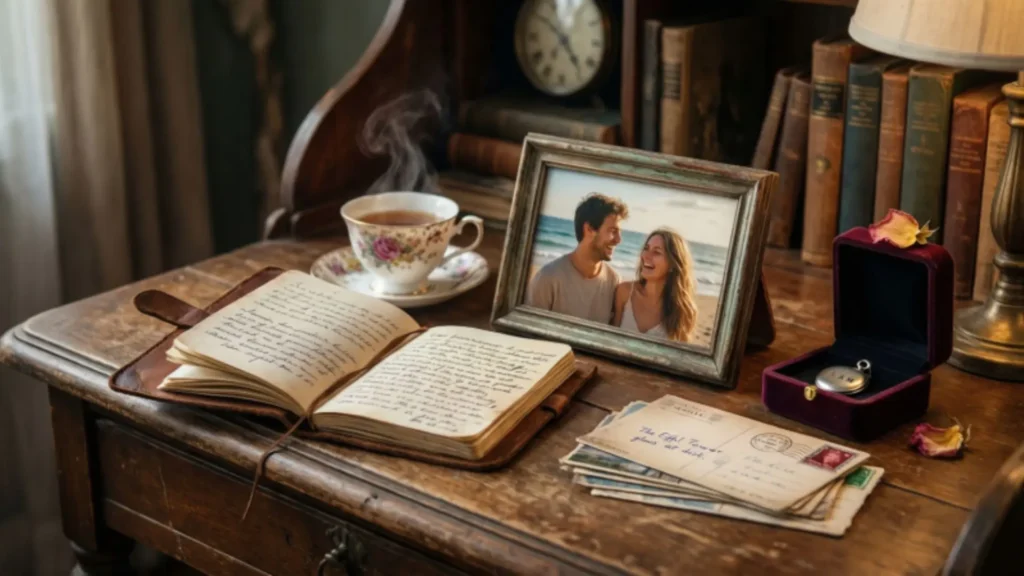
Your home should tell your story, and there’s no better way to do that than through personal items. Souvenirs from travels, family photos, or handmade crafts instantly make your space feel unique. These pieces aren’t just decoration — they’re conversation starters and memory holders that add warmth and character to any room.
Creating DIY Projects That Reflect Your Story
Think about what matters to you and turn it into decor. Maybe it’s a framed map of places you’ve visited, a shadow box of keepsakes, or a hand-painted canvas with your favorite quote. DIY projects allow you to bring meaningful elements into your home in a way that mass-produced items simply can’t replicate.
Combining Personal Items With Existing Decor for Balance
It’s easy to get carried away, so consider balance. Mix personal touches with your existing decor to avoid clutter. For example, a small collection of souvenirs on a shelf or a few framed photos on a gallery wall can feel intentional and stylish without overwhelming the room.
Example: A Family Photo Wall or Memory Jar Corner
Here’s a simple, effective idea: create a family photo wall with a mix of frames, sizes, and even fun captions or small mementos like tickets or pressed flowers. Or, set up a memory jar corner — fill a jar with notes, tiny souvenirs, or little reminders of special moments. These small DIY touches make your home feel loved, lived-in, and uniquely yours.
Tips for DIY Success
Start Small and Don’t Overwhelm Yourself
It’s easy to get excited and want to tackle your entire home at once, but starting small is key. Focus on one room, one corner, or one project at a time. Even something as simple as updating a side table or a few throw pillows can make a noticeable difference. Small wins keep you motivated and make larger projects feel achievable.
Mix Textures, Colors, and Patterns
Variety adds interest and personality. Don’t be afraid to mix fabrics, finishes, and patterns — a velvet cushion with a linen throw or a wooden shelf with metal accents can create a rich, layered look. Experimenting with textures and colors gives your DIY projects depth and makes your home feel curated rather than flat.
Repurpose Materials Instead of Buying New
One of the joys of DIY is seeing potential in what others might overlook. Old jars, fabric scraps, pallets, or even cardboard can be transformed into stylish decor. Repurposing not only saves money but also adds character and sustainability to your space. Plus, there’s a certain satisfaction in knowing you created something beautiful from something ordinary.
Document Progress for Motivation and Inspiration
Take photos or keep a small journal of your DIY projects. Seeing before-and-after shots is incredibly motivating and helps you track your creativity. You might even discover new ideas as you go, or notice how small tweaks create big impacts. Sharing your progress with friends or social media can also spark inspiration and support from others who love DIY as much as you do.
FAQs
What are some easy DIY decor ideas for beginners?
Start with small projects like painting jars, making pillow covers, or creating simple wall art — quick, affordable, and fun.
How can I decorate my home on a tight budget?
Use repurposed items, thrifted furniture, and DIY crafts to refresh your space without spending a lot.
What plants are best for DIY indoor planters?
Low-maintenance plants like pothos, snake plants, and succulents are perfect for beginner-friendly DIY planters.
How do I make my home feel unique with DIY decor?
Add personal touches like family photos, handmade items, or repurposed treasures that reflect your style.
Can I update my home decor seasonally without spending much?
Yes! Swap pillow covers, small accents, or mini DIY crafts for holidays to keep your space fresh year-round.
Conclusion
DIY decor gives you the freedom to make your home reflect who you are. Even small projects like a painted stool, a handmade pillow, or a tiny indoor plant can add personality and warmth. The key is to experiment, try new ideas, and focus on what makes you happy in your space.
Remember, it’s not about spending a lot or having perfect results — it’s about enjoying the process and celebrating your creativity. Each little project adds up, transforming your home into a place that feels lived-in, loved, and uniquely yours.
